Our Approach
Our Approach
CCODER’s approach to development is rooted in community participation, self-determination, and long-term sustainability. We believe that people, when empowered with knowledge, skills, and opportunity, can shape their own future.
Objectives
Education Access
To improve access of quality education and bridging the gap of city education.
Livelihood & Entrepreneurship
To support sustainable livelihoods and income generating activities, delivering skills and generating entrepreneurship.
Health Awareness
To enhance awareness on preventive health care, hygiene, nutrition and sanitation.
Collaboration
To collaborate with government bodies, local authorities, strengthening community participation,
Micro-Industries
To enhance Economic and Social Development through Micro–Industries/Enterprises and effecting marketing network.
Guided Principle
People as Power
People are the prime source/power for bringing changes of time.
Community Participation
Community participation is fundamental for socio-economic development.
Cooperation & Collaboration
Collaboration and cooperation with local government and stakeholders for sustainable development.
Sustainability
Promoting long-term self-reliant development through local ownership and responsible use of resources.
The Tripod Model of Development
CCODERs Tripod model of Development aims to create a “Total Human Development” approach. In order to fulfill this, CCODER first helps a community establish its own supportive and collaborative infrastructure and through formations of Community Development Committees and then through its promotion of Socio-Economic Activities. The Socio-Economic Activities include:
Social development
Focuses on strengthening education systems, health services, sanitation, environmental protection, and essential community infrastructure.
Economic development
Saving and credit (Community Bank), Income Generating activities /micro enterprises and Increase market access.
Institutional development
Social mobilization, empower community groups and cooperatives, partnership with local government.
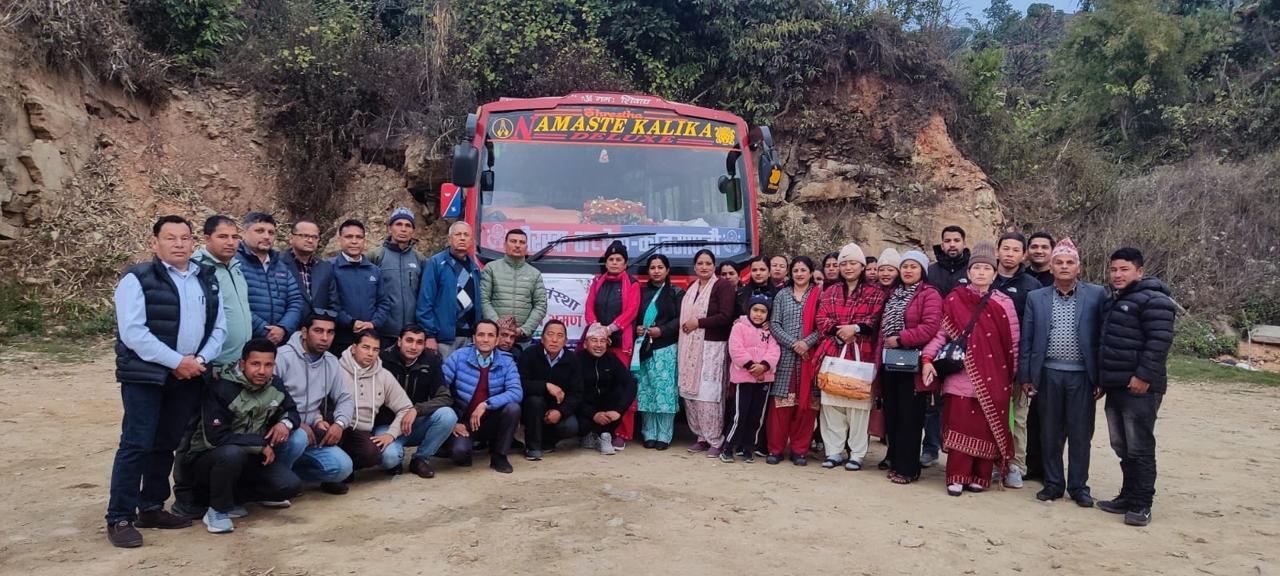
Mobilizing Communities
Mobilizing communities is central to CCODER’s work. Development committees, savings groups, and cooperatives are formed to encourage collective decision-making and accountability.
Through social mobilization, communities gain confidence, leadership skills, and the ability to negotiate with local authorities and service providers.
Development Packages & Concepts
Integrated Packages
CCODER designs integrated development packages combining education, health, livelihoods, and social empowerment rather than isolated interventions.
Local Adaptation
Programs are adapted to local geography, culture, and economic conditions to ensure relevance and effectiveness.
Equity & Inclusion
Special focus is given to women, marginalized groups, and economically disadvantaged households.
Rolling Out Ideas
Community Identification
Communities identify priority issues through participatory discussions and local planning processes.
Pilot & Learn
Small-scale pilot initiatives are implemented, evaluated, and refined before scaling up.
Scaling Impact
Successful models are expanded to other communities through partnerships and capacity building.
Building the Future Together
CCODER’s approach ensures that development is not temporary assistance, but a long-term process of empowerment. By combining social mobilization, economic growth, and institutional strength, communities are equipped to lead their own development journey.