Our Programs
Our Programs
CCODER’s programs are designed to achieve Total Human Development by addressing education, health, and economic empowerment through community-led action.
CCODER believes that sustainable development is only possible when communities are empowered socially, economically, and institutionally. Our programs are implemented in close partnership with local communities, government bodies, and development partners.
Education
Education is at the heart of CCODER’s mission. In rural Nepal, access to quality education remains limited due to poverty, inadequate infrastructure, and a shortage of trained teachers.
CCODER manages and supports community schools and co-manages government schools to provide affordable, high-quality education with a strong focus on child-centered learning.
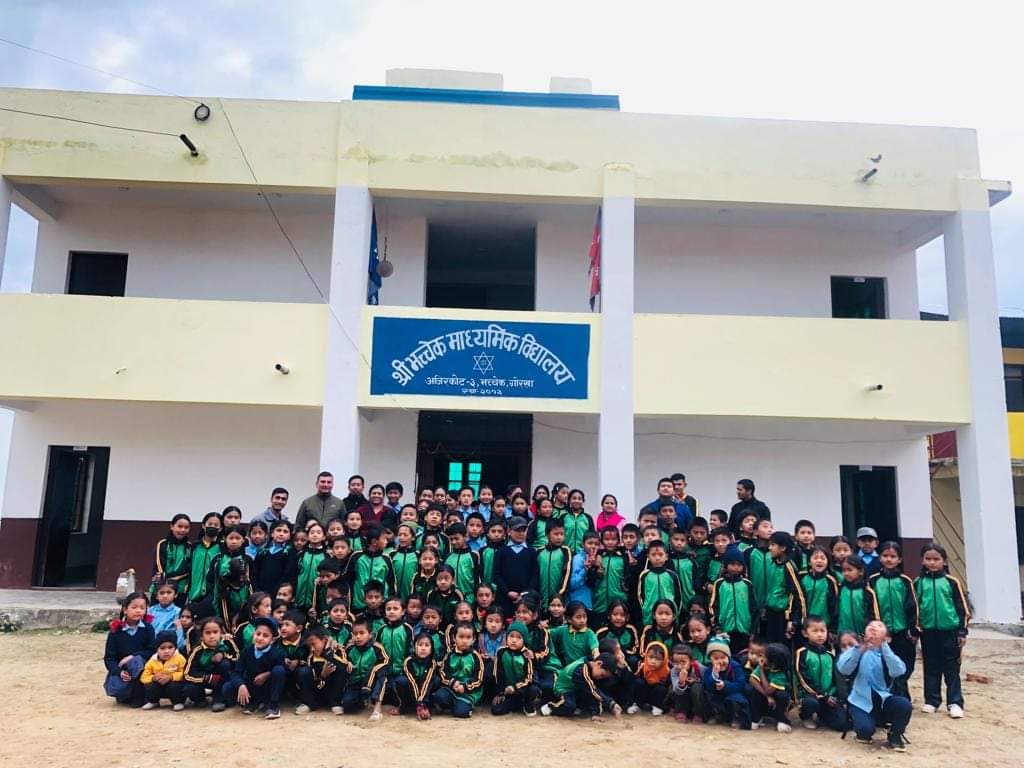
Community Schools
CCODER currently supports more than 1,650 students through community-managed and jointly managed government schools, primarily at the primary level.
Quality Learning
Emphasis is placed on English education, mathematics, science, small class sizes, and interactive teaching methods including Montessori-based approaches.
Access & Equity
Scholarships and school support programs ensure access to education for children from marginalized and low-income families, with special focus on girls’ education.
Health & Hygiene
Preventive Health Care
CCODER promotes preventive health care through awareness programs focused on maternal health, child nutrition, and disease prevention.
Water, Sanitation & Hygiene
Programs improve access to clean drinking water, sanitation facilities, and hygiene education to reduce waterborne diseases in rural communities.
Community Health Systems
CCODER supports local health systems through training, mobile clinics, and improved coordination between communities and health institutions.
Livelihood & Economic Development
Income Generation
CCODER promotes income-generating activities including agro-business, livestock, medicinal plant cultivation, and small enterprises.
Community Savings & Credit
Savings and credit groups help community members build capital, access loans for productive purposes, and strengthen financial security.
Market Access & Entrepreneurship
Programs support entrepreneurship development, value-chain strengthening, and improved access to local and regional markets.